
The book gives a child a sense of causality and the thread of a process. After it, they begin to notice that much in the world is not arranged “by itself” but in a chain: cause → action → outcome → check. They learn to see structure in chaos, to understand why “skipping a step” almost always leads to error, and why calm checking is not fussiness but a way to make a result stable. This book makes thinking more focused and “long”: the child holds meaning better, is less swayed by flashy words, and more easily grasps how a “thing” works.

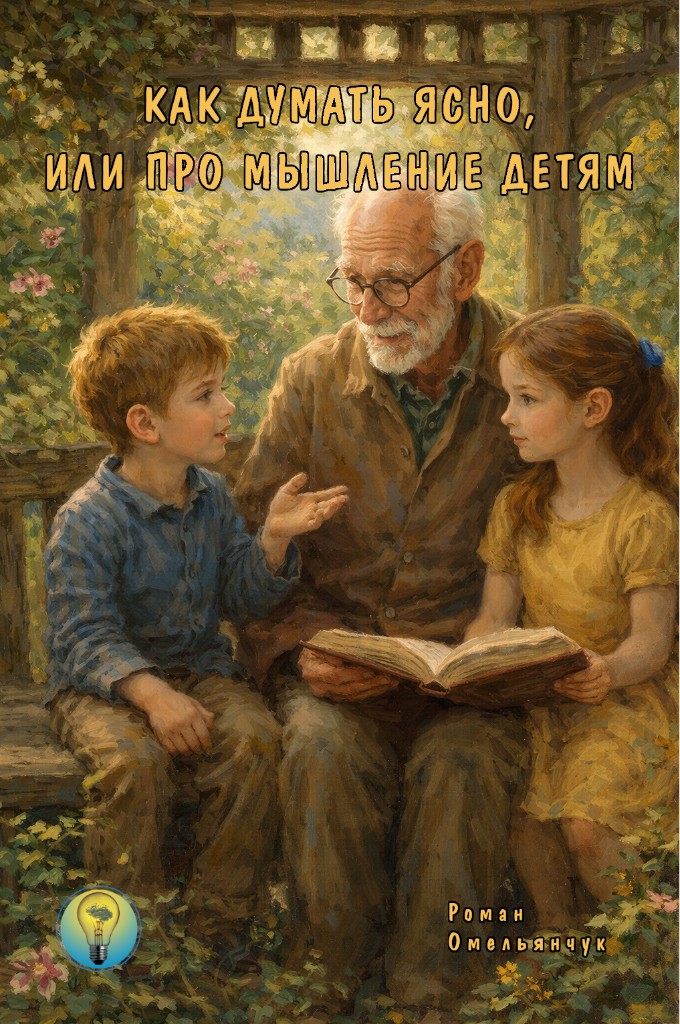
The book gives the child the main feeling: abilities can be developed, not merely “had or not had.” After it, they gain inner footing and a drive to grow. They start to see difficulty differently: not as a threat (“I’m bad”) but as a place to become stronger. They get first words and images for what happens inside: attention, will, conscience, habit, choice. Most importantly, the child feels for the first time that they have a “wheel”—the chance to steer themselves, not only react.
The book gives the child an understanding of processes in the world and of social relations in society. After it, they better grasp why people quarrel, why hurt can hold will back and sometimes destroy, why aggression often points to complexes. They learn not to be swept away by emotions but to understand their cause and meaning: to say what happened, what they want, how it can be fixed. This book reduces “nothing” conflicts and helps the child keep dignity in an argument without demeaning others.

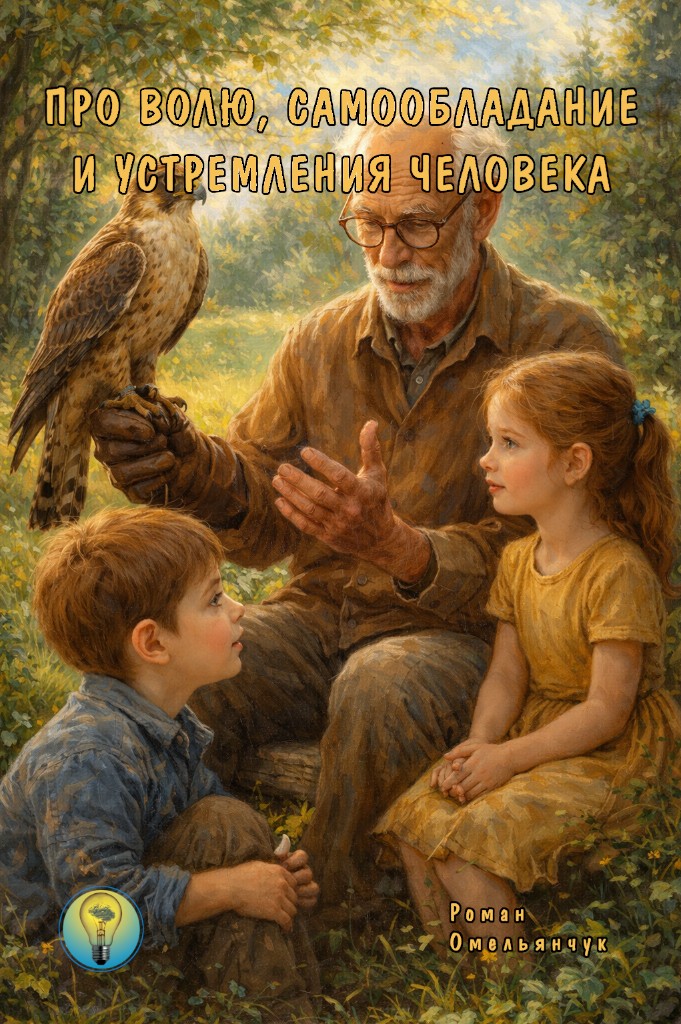
The book gives the child an experience of inner strength without cruelty to self. After it, they understand that will is not a shout of “pull yourself together” but the ability to endure difficulty without running away or snapping. They begin to treat mistakes and fatigue differently: not as shame but as a signal to change step, pace, or method. The child gains a sense of measure: when to speed up and when to stop so as not to wreck the result. After this book, children more often finish what they start and depend less on mood.
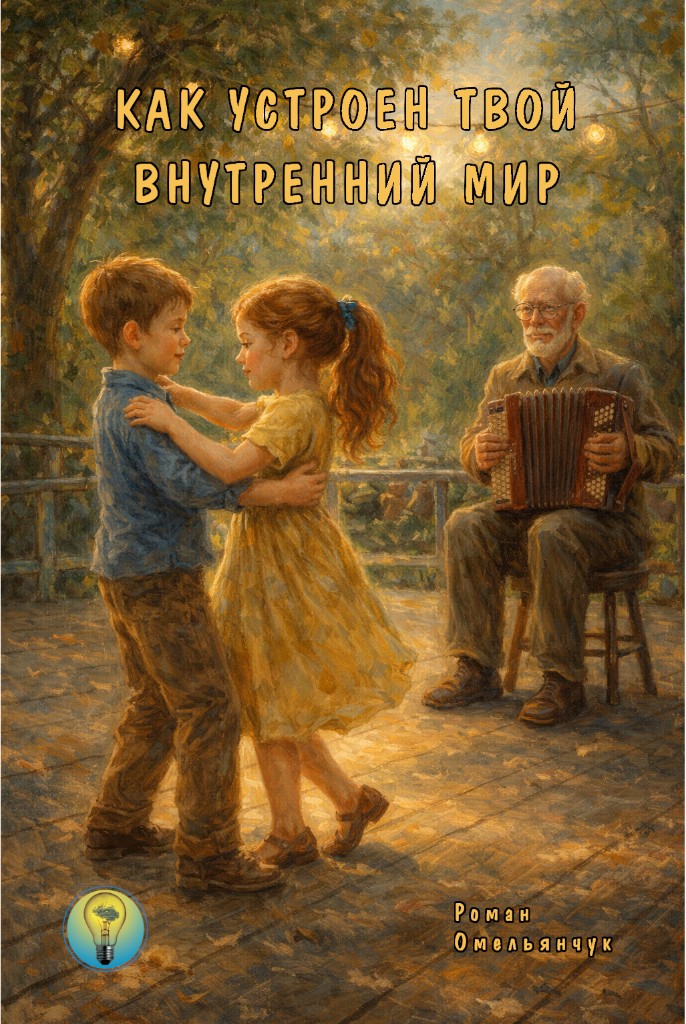
The book gives the child a map of their own mind. After it, they distinguish states more clearly and understand that inside there is not only “I want” but habits, impulses, fears, automatisms that can be noticed and retuned. They begin to feel the difference between conscience and shame, dignity and pride, “I’m bad” and “I made a mistake.” This book helps the child shame themselves less and understand themselves more—and that is why they grow psychologically stronger.
The book gives the child inner discipline of thought. After it, they more often separate fact from impression, stop arguing confidently on “it seems” alone, and begin to see what their conclusion rests on. They gain a simple but powerful habit: check the grounds of a thought. They become calmer in debate and more accurate in school tasks because they stop leaping to the answer and start holding the line of reasoning. This book makes the child less suggestible and more independent in understanding.
The book gives the child precision of perception. After it, they more often notice how easily the brain swaps reality for impression, how attention drifts, how “it seems” can turn into “I’m sure.” The child begins to see detail better, falls into suggestion less, and feels the difference between noise and meaning more strongly. This book helps them be more attentive to the world and to themselves—to live not anxiously but consciously.
The book gives the child a method of independent learning. After it, they gradually stop “studying for the answer” and start learning for understanding. They gain skills: test a rule on a new example, see exactly where they did not understand, and not fear a mistake—it is a tool of growth. An inner algorithm appears: understood → applied → checked → consolidated. That makes schoolwork easier because it stops being a lottery.

The book gives the child integration of what they already grasp and mastered knowledge, and the ability to apply it all in life. After it, they begin to line up inner states, thought, and action in one thread. They better understand how mistakes turn into habits and how habits can be changed through analysis and repetition. They become more resilient to grading pressure and less dependent on others’ opinions. This book gathers what was built before and turns it into a personal style of behavior: precision, measure, responsibility, and calm independence.

The book gives the child depth and foresight. After it, they begin to think in options: “if this—then what next?”; they learn to model consequences and see that a quick win can be a loss tomorrow. They develop imagination as a tool of thought, not daydreaming. The child becomes more judicious, calmer in decisions, and better at seeing causal chains.
soon…
soon…
soon…
soon…